
This will have an impact on inflation as everyone in the value chain passes on the costs.

The first spending item on the chopping block is capital expenditure, followed by operating costs and overheads, including sales and marketing expenses.

Several carmakers, including car market leader Maruti Suzuki India pulled the plug on diesel models citing higher costs for BSVI variants leaving buyers with limited options.
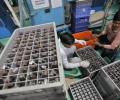
A knee-jerk reaction, they said, could be detrimental to the fortunes of an industry that is highly dependent on the country given the huge competitive advantage it offers, in terms of cost and speed.

While freight traffic has gone up, the Google location data shows more people are stepping out of their homes.

To be able to tide over the current crisis, automobile manufacturers have waged a war against all cost heads.

From auto, refrigerator, and mobile handset makers to real estate firms, companies are tying up with banks to dole out attractive finance schemes and discounts to make buying more affordable.

The trend in corporate earnings suggests that index earnings could fall to the levels last seen in early 2014.
In a circular dated May 20, Sebi had directed the listed companies to evaluate the impact of Covid-19 on their capital and financial resources, profitability, liquidity position, assets, and ability to service debt. Instead, companies have spoken about the number of plants, warehouses and distribution centres that have resumed operations; work-from-home and safety measures undertaken for employees; and the labour shortage they are facing.

After the easing of lockdown in mid-May, auto companies were able to resume production in a phased manner, but the ramp-up was slow due to a broken supply chain, and lockdown-induced restrictions.
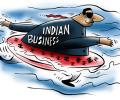
Combined profit before tax of 81 firms down 37.5% y-o-y, worst show in at least 3 years.
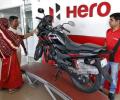
Besides regular buyers, there is lot of interest among those in essential services, such as health, banking, and IT. The sales will be helped by social distancing becoming the new normal in both urban and rural regions as people will be averse to using public transport.

Hotels are using a combination of platforms to reach out to the guests. These include online travel agents among others. hotels in India are offering guests an option to pay now and stay later.

A clutch of automakers including Maruti Suzuki, Hero MotoCorp, Mercedes Benz India, Eicher Motors, TVS Motor, and Isuzu Motors India announced they had got the clearance from the governments of the states they operate in to resume operations.

RIL, however, remains miles ahead of TCS in other financial parameters such as total revenue, operating profit, net worth, assets, and market capitalisation.

Executive lounges with happy hours, complimentary hors d'oeuvres, and complimentary services have been the norm - but not anymore.

Given that people have been reluctant to order cooked food - which worsened due to a couple of cases of delivery personnel testing positive for COVID-19 - food delivery platforms have included grocery delivery as part of their services.

Corporate revenues will decline for a third consecutive quarter in March on a YoY basis - one of the worst shows by these companies in many years.

Indians face COVID-19 with record debt, stalled income.
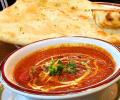
What India's top restaurants are doing to satisfy your food cravings.
 © 2026 Rediff.com - Advertise with us - Disclaimer - Privacy Policy - Sitemap - Feedback - About us - Terms of use - Grievances